

Framing Guide
Elevate Your Art with the Perfect Frame
Framing can feel surprisingly overwhelming. So many options, so many opinions, and somehow it always feels higher-stakes than it should. This guide is here to make it easy.
Whether you’re looking for something quick and budget-friendly, a polished ready-made option, or a fully custom frame designed just for your piece, I’ve pulled together my favorite routes and trusted resources. Wherever you land, I’m here to help you choose what feels right for your art and your home.
Below is a breakdown of the most common framing paths, what to expect from each, and when they make the most sense.
This page contains affiliate links, meaning I may earn a small commission at no extra cost to you if you make a purchase. I️ only recommend products I️ believe in —thank you for your support!
Frames should complement, not compete with, the artwork.
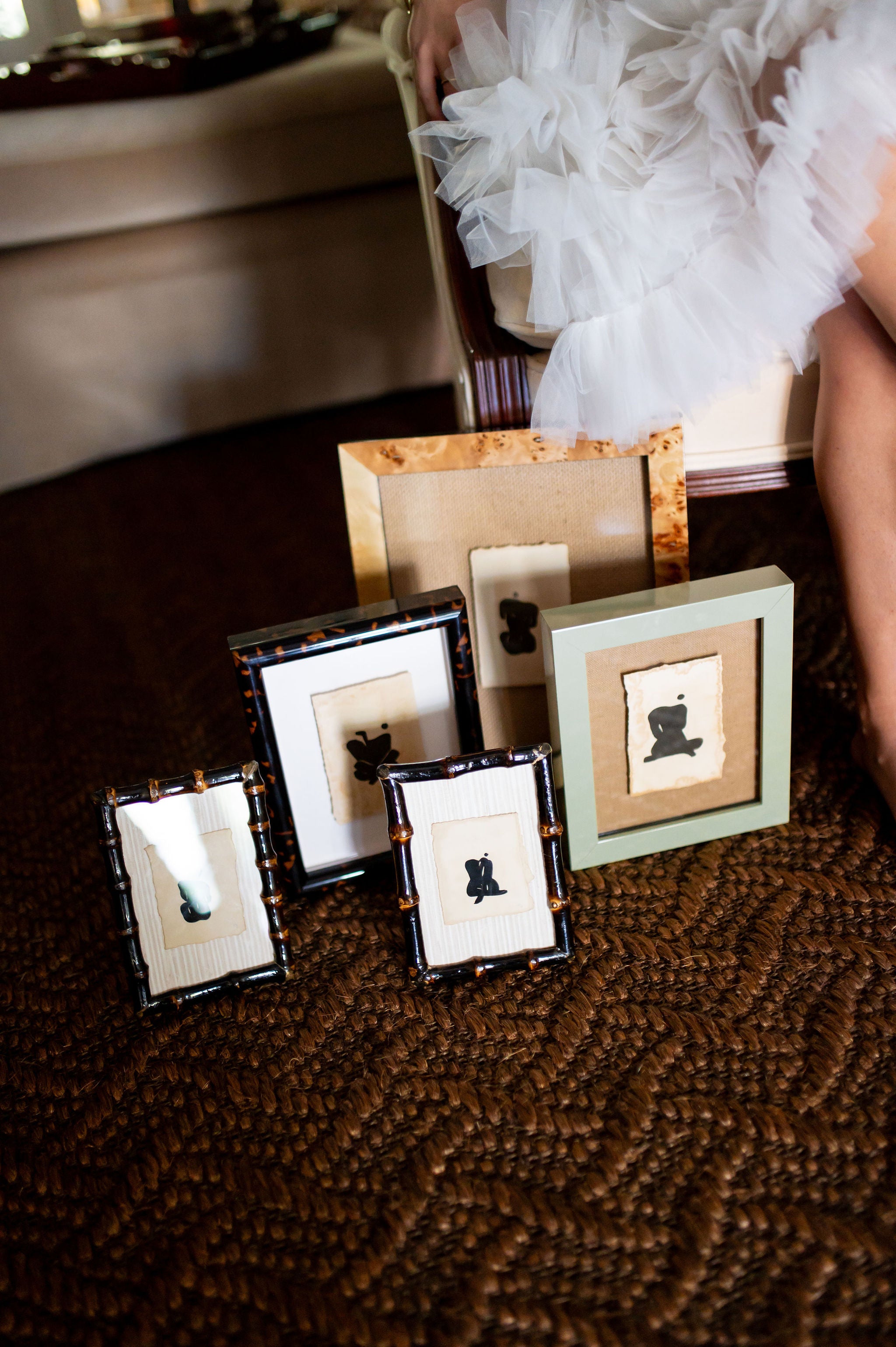
Small pieces can benefit from slightly wider or layered frames to create presence, while large works thrive in minimal, refined borders.
Wood: Rich, tactile, and endlessly versatile — a frame that brings warmth and timeless sophistication to any artwork.
Metal: Crisp, modern, and architectural — perfect for highlighting contemporary pieces with precision and polish.
Custom & Mixed Media: Unique, editorial, and sculptural options that transform a frame into a statement in its own right.
For personal spaces, hang artwork so the center sits at roughly eye level. For galleries or groupings, consider balance and flow across the wall.
When displaying multiple pieces, leave consistent spacing to create a cohesive arrangement. Consider visual weight and proportion.

Amazon Frames
Affordable, fast, and surprisingly good (if you know what to look for).
Amazon frames are the most budget-friendly option, and yes, Prime shipping is a huge win. The quality can vary wildly, which is why I’ve curated specific picks that feel solid, clean, and gallery-appropriate (not flimsy or shiny in the wrong way).
Best for:
– Prints, paper work, or casual spaces
– When you want it framed now
– Clean, classic framing without fuss

Ready-made frames
Higher quality, still simple.
These are similar in concept to Amazon frames, but typically sourced from art-focused or home brands with better materials and finishes. You’re still popping the artwork in yourself, but the frames tend to feel a bit more substantial and refined.
Best for:
– When you want elevated quality without customization
– Easy, polished framing for gifts or collections
– Standard sizes with a more intentional look

Semi-Custom Framing (Framebridge)
A middle ground between DIY and fully custom.
With semi-custom framing, you send in your artwork and make selections online. Framebridge allows for options like matting, float mounts, and frame style, while keeping the process streamlined and approachable. There are some limitations since everything happens online, but it’s a great option if you want customization without walking into a shop.
Best for:
– Special pieces that need a little more care
– Float-mounted work or custom matting
– When you want a polished result without the in-person process
Fully Custom Framing (In-Person)
The most flexible and hands-on option.
If you visit a local custom framer, you’ll be guided through the entire process in person. You’ll choose your frame style, matting (or no mat), decide whether the piece should be floated or traditionally mounted, and select glazing—glass or acrylic—based on clarity, weight, and UV protection.
What to expect:
– Frame selection (wood, metal, finish, depth)
– Matting choices (color, width, single vs. double)
– Mounting style (matted or float-mounted)
– Glass vs. acrylic (UV protection, reflection, weight)
This is the most flexible option (and usually the most expensive) but it’s ideal for originals, heirloom pieces, or work you want to live with for a very long time.